

Taking care of your home’s drainage system is a lot like taking care of your car. You would not wait for the engine to seize up before getting an oil change, and you should not wait for a full-blown flood to think about your drains. I have learned over many years that a proactive approach saves a lot of headaches and money. Preventative drainage system care is not just about avoiding clogs, it is about maintaining the whole health of your home’s plumbing infrastructure.
Many homeowners overlook their drains until a problem forces them to act. This can lead to costly repairs and inconvenient disruptions to daily life. Think about how much you rely on clear drains every day. From washing dishes to showering, our plumbing works hard. When drains become sluggish or completely blocked, it disrupts everything. This is why I always emphasize the importance of regular care and attention to these essential systems.
By understanding how your drains work and implementing a few simple habits, you can significantly reduce the risk of major plumbing issues. It is about making small, consistent efforts that add up over time. These steps can extend the life of your pipes and keep water flowing freely. I have seen firsthand how a little bit of prevention goes a very long way in the world of home maintenance.
Understanding Your Home’s Drainage Network
When I think about a home’s drainage system, I picture a hidden network of pipes quietly doing their job. Every sink, shower, bathtub, and toilet in your house connects to this system. All of these fixtures rely on gravity to move wastewater out of your home and into the main sewer line or septic tank. Understanding this basic flow helps you grasp why clogs happen and how to stop them.
The journey starts at each drain opening. Water carries waste into a trap, which is that curved section of pipe you see under a sink. This trap holds a small amount of water to block sewer gases from entering your home. From there, pipes continue downwards and eventually merge into larger main lines. These main lines then exit your house. Grease, hair, food particles, and other debris can build up along this path. Over time these accumulations narrow the pipes and eventually create blockages. Knowing this path really helps to identify where problems might start.
Different parts of your drainage system face different challenges. Kitchen drains often deal with grease and food scraps. Bathroom drains typically see a lot of hair and soap scum. Toilets handle various human waste and toilet paper. Each area requires specific preventative care. I have found that a little bit of knowledge about these individual characteristics makes a big difference in effective maintenance. We need to tailor our care based on what each drain experiences daily.
Simple Daily Habits for Preventative Drainage System Care
Developing simple daily habits is the easiest and most effective way to keep your drains clear. These small actions prevent major problems from forming in the first place. I have seen countless times how consistency with these basic steps can save homeowners from expensive plumbing emergencies. It all comes down to being mindful about what goes down your drains.
In the kitchen, the biggest culprits are grease and food particles. I always advise scraping plates into the trash before rinsing them in the sink. Even small amounts of grease can solidify in pipes and attract other debris. This creates stubborn clogs over time. Using a sink strainer is also a must. It catches tiny bits of food that might otherwise slip through. Never pour cooking oil or bacon grease down your drain, always let it cool and dispose of it in the trash.
For bathroom drains, hair and soap scum are the main enemies. I recommend using hair catchers in all your shower and bathtub drains. These inexpensive devices trap hair before it can enter the pipes. Regularly cleaning these catchers prevents buildup. Liquid soap tends to be less problematic than bar soap, which can leave behind residue that combines with hair to form sticky clogs. Being careful about what you wash down the drain makes a huge difference. I know these simple tips really help a lot of people.
Proper Waste Disposal and Chemical Avoidance
Beyond hair and grease, many other items should never enter your drainage system. Things like cotton balls, dental floss, feminine hygiene products, and even supposedly flushable wipes can cause significant blockages in toilets and sewer lines. These items do not break down in water like toilet paper does. They can snag on pipe imperfections and build into large obstructions.
Another crucial habit I promote is avoiding harsh chemical drain cleaners. While they might seem like a quick fix, they often do more harm than good. These chemicals can corrode pipes, especially older ones, and they can be very dangerous if they splash back on you. They also tend to just eat a hole through the clog instead of fully clearing it. This means the problem can return quickly. I always suggest gentler, more natural methods for minor clogs. We want to protect our plumbing, not damage it.
Regular Maintenance Tasks to Keep Drains Clear
Beyond daily habits, regular maintenance tasks are important for long-term preventative drainage system care. These actions help flush out any minor buildup before it becomes a stubborn clog. I set a schedule for these tasks because consistency is key. You do not need special tools for most of these steps. Just some common household items will do the trick.
One simple method I often use is flushing drains with hot water. After doing dishes, or after a shower, let the hot water run for another minute or two. This helps to melt away small grease deposits in kitchen drains and rinse soap scum from bathroom pipes. It is a quick and effortless way to give your drains a mini-cleanse. I find doing this regularly really makes a difference. It prevents small issues from growing larger. This is especially true for older plumbing systems that might already have some buildup.
Another effective and natural cleaning solution involves baking soda and vinegar. I use this method whenever I notice a drain slowing down a little. It creates a fizzy reaction that can break down grime and minor clogs. This combination is much safer for your pipes and the environment than harsh chemicals. I always recommend trying this first for any minor drain issues. It is a reliable, budget-friendly solution for many common problems. This method has saved me from more than one minor blockage.
The Baking Soda and Vinegar Method
Here is how I use baking soda and vinegar for drain maintenance:
- Pour one cup of boiling water down the drain.
- Follow with about half a cup of baking soda.
- Let it sit for about 5 to 10 minutes.
- Then pour one cup of white vinegar down the drain.
- You will hear fizzing, which means the reaction is working.
- Place a stopper over the drain to keep the reaction focused downwards.
- Let it sit for 30 minutes to an hour.
- Finish by flushing the drain with another pot of boiling water.
I find doing this every month or two for high-traffic drains helps immensely. It really breaks down minor blockages and keeps things flowing well. This simple routine is a cornerstone of my preventative drainage system care. It is an easy task that anyone can do. The results are always noticeable when you use this regularly. It is far better than waiting for a major clog to form.
Benefits of Enzyme Drain Cleaners
For more consistent biological buildup, I sometimes turn to enzyme drain cleaners. These products use natural bacteria and enzymes to digest organic materials like hair, grease, and food particles. They work slowly but are very effective and safe for all types of pipes. Unlike chemical cleaners, they do not create heat or corrosive reactions. This means no damage to your plumbing.
I typically use enzyme cleaners overnight when the drain will not be used for several hours. This gives the enzymes plenty of time to work their magic. They break down the buildup into liquid, which then easily flushes away. These cleaners are a great option for maintaining older pipes or systems that are prone to recurring organic clogs. They represent a gentle yet powerful approach to drain health. I always keep some on hand for when I need a deeper clean.
Identifying Early Warning Signs of Drainage Problems
One of the most valuable aspects of preventative drainage system care is knowing how to spot early warning signs. Catching a problem when it is small can prevent it from escalating into a much bigger, more expensive mess. I have learned to trust my senses when it comes to plumbing issues. Listen to your pipes, and pay attention to how your water drains.
A slow drain is perhaps the most common early indicator. If water takes longer than usual to clear from a sink or shower, it means there is a partial blockage forming. Do not ignore this. A slow drain today could become a completely clogged drain tomorrow. I always address slow drains immediately with a baking soda and vinegar treatment. This often resolves the issue before it gets worse. Early intervention is really important.
Another sign to watch out for is foul odors coming from your drains. This smell usually indicates decomposing organic matter caught in the pipes or a problem with your P-trap. If the odor persists after flushing with water or using a natural cleaner, it might be a sign of something more significant like a vent issue or a deeper clog. I know these smells are unpleasant, so addressing them quickly is good for your nose and your plumbing.
The Dangers of Ignoring Slow Drains
Ignoring a slow drain is a common mistake that many homeowners make. They think it will just go away or they can live with it. But a slow drain is a red flag. It tells you there is already a blockage present, and that blockage will only grow larger over time. What starts as a minor inconvenience can quickly turn into a complete stoppage.
When a drain fully clogs, water can back up into your sinks, tubs, and showers. This creates potential for water damage to your floors and cabinets. Even worse, a significant blockage in a main line can cause sewage to back up into your home. This is a very unsanitary and expensive problem to fix. So, I always stress that a slow drain needs prompt attention. It is not something to put off because the consequences can be severe.
Persistent slow drains can also signal underlying issues that require professional attention. It could be tree roots infiltrating your sewer line. It might also be corroded pipes or a sag in your plumbing. These are problems that no amount of home remedies will fix. So, if you notice slow drainage despite your best efforts, it is definitely time to think about calling in a professional. I always believe in knowing when a job is beyond my skill set.
When to Call a Professional for Drainage Issues
While many preventative drainage system care tasks can be handled by a homeowner, there are times when calling a professional plumber is the smartest and safest option. Knowing when to escalate a problem saves you time, money, and potential damage to your home. I have learned through experience that some problems are just too complex for DIY fixes. It is important to recognize your limits.
If you have recurring clogs in the same drain, even after trying home remedies, it is a clear sign that a deeper issue is at play. This could mean a significant buildup that a snake can not reach, or a structural problem with the pipe itself. A professional has specialized tools, like drain cameras, that can identify the exact cause and location of the blockage. They can offer a lasting solution, not just a temporary fix. I have seen many people waste money on repeated chemical cleaners when a simple professional cleaning was needed.
Another major red flag is multiple slow drains or clogs occurring simultaneously in different fixtures throughout your home. This often indicates a problem with your main sewer line. When the main line is blocked, it affects all the drains connected to it. This is a serious issue that requires immediate professional attention. Sewer line problems can lead to significant backups and damage if not addressed quickly. When considering different service providers for this kind of issue, knowing the questions to ask before hiring a plumber is really helpful to ensure you get qualified help.
Finally, if you suspect an actual sewer line break or collapse, perhaps due to strong sewage odors outside or visible sewage in your yard, contact a professional immediately. These situations are plumbing emergencies. They require specialized equipment and expertise to repair. Attempting to fix a sewer line on your own is dangerous and often illegal without proper permits. Always prioritize safety and expertise when facing such severe issues. We want the job done right to protect our homes.
Protecting Your Outdoor Drainage Systems
Preventative drainage system care is not limited to just the pipes inside your home. Your outdoor drainage systems also play a vital role in protecting your property. I always make sure to include these elements in my routine maintenance checks. Neglecting outdoor drains can lead to water damage to your foundation, landscaping problems, and even issues inside your home.
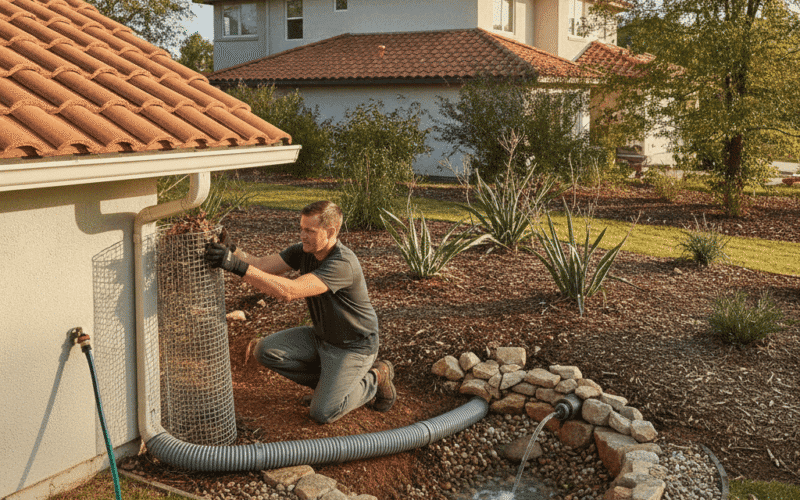
Your gutters and downspouts are the first line of defense against rainwater. They collect water from your roof and direct it away from your foundation. I make sure to clean my gutters at least twice a year, usually in the spring and fall. Leaves, twigs, and other debris can quickly clog them. When gutters are clogged, water overflows and pools around your foundation. This can cause cracks in the foundation and leaks in your basement. Keeping them clear is a simple but important task.
The landscaping around your home’s foundation also impacts drainage. I ensure that the ground slopes away from the house, not towards it. This directs rainwater away naturally. If water pools near your foundation, it can seep into your basement or crawl space. This creates moisture problems and can compromise the structural integrity of your home. I also check that downspouts extend several feet away from the foundation. Sometimes I even add extensions to ensure water is discharged far enough away. These outdoor details are just as important as your indoor pipes.
Conclusion: A Proactive Approach to Healthy Drains
Maintaining a healthy drainage system is an ongoing effort. It is not a one-time fix. By adopting smart daily habits and scheduling regular maintenance, you can prevent most common plumbing problems. I have found that being proactive truly saves me from costly and stressful emergencies. Simple steps like scraping food into the trash, using hair catchers, and regularly flushing with hot water or baking soda and vinegar make a huge difference.
Remember to keep an eye out for early warning signs like slow drains or foul odors. Addressing these issues quickly can prevent them from becoming major headaches. Do not hesitate to call a professional plumber when facing recurring clogs, multiple blocked drains, or suspected sewer line issues. Their expertise and specialized tools are invaluable for complex problems. Protecting your outdoor drainage with clean gutters and proper landscaping also secures your home’s foundation.
I encourage everyone to make preventative drainage system care a priority in their home maintenance routine. It is an investment in your home’s longevity and your peace of mind. Start today by implementing a few of these tips. You will appreciate the smooth flow of water and the absence of plumbing emergencies. Your drains work hard for you, so give them the care they deserve.