

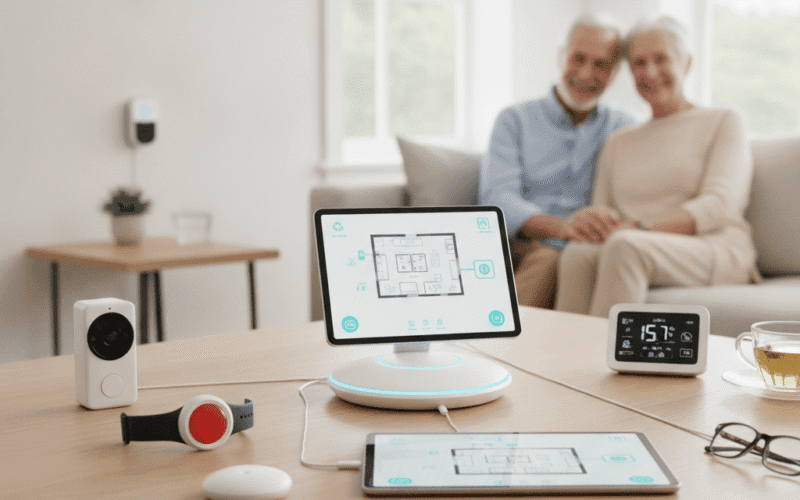
As we get older, staying safe and independent at home becomes a top priority for many of us and our families. I have seen firsthand how much comfort a secure living space brings, especially for seniors. Our homes should be havens where we feel protected and comfortable every single day.
In today’s fast-moving world, smart home technology offers incredible tools to help achieve this safety and independence. These devices are not just for convenience, they are powerful aids that can prevent accidents and quickly get help when needed. They give both seniors and their loved ones a real sense of calm.
I want to explore how modern smart home devices can form a robust toolkit for senior protection. We will look at practical solutions that make everyday living safer and more manageable. This technology helps seniors maintain their dignity and freedom in their own homes.
Smart Monitoring Systems for Peace of Mind
One of the most important parts of any senior protection toolkit is a good monitoring system. These systems help keep an eye on things without being intrusive. They let families know their loved ones are safe and can alert them to potential issues quickly.
I often recommend systems that include smart cameras with two-way audio. These are not just for security against intruders. They can be used to check in on a senior, allowing them to see and speak with family members remotely. This can be very helpful for quick greetings or confirming they are doing well. It provides a visual check without having to physically be there all the time.
Another layer of monitoring comes from door and window sensors. These alerts can notify family if a door is left open too long, or if someone exits the house at an unusual time. This is especially useful for seniors who might wander or forget to secure their home. Motion sensors placed in key areas can also track daily routines, and a change in pattern can trigger an alert. This means if there is no movement in an area where there usually is, family can be notified to check in.
Some advanced systems even integrate with smart speakers. These allow voice commands for checking status, making calls, or controlling other smart devices, which is great for seniors with limited mobility. This helps them stay connected and in control of their environment using just their voice.
Environmental Sensors for Added Safety
Beyond checking on a person, smart monitoring also includes environmental safety. Carbon monoxide and smoke detectors are crucial, but smart versions take it a step further. They send alerts directly to family members or emergency services if they detect a problem, even if the senior is asleep or unable to hear an alarm.
Water leak detectors are also a good idea. A small leak can quickly become a big problem causing damage and creating slip hazards. These small sensors can be placed under sinks or near water heaters and will notify you if they detect moisture. This helps prevent costly repairs and keeps the home environment safer from unexpected water damage.
Advanced Fall Detection and Emergency Response
Falls are a serious concern for seniors, and this is where technology really shines. Traditional medical alert systems are good, but modern smart home tools offer more sophisticated solutions. I have seen many innovations that provide quick help after a fall.
Wearable fall detection devices are discreet and automatically call for help if they sense a fall. These are often pendants or watches that seniors can wear daily. They remove the need for someone to manually press a button, which is critical if they are disoriented or unconscious after a fall. Some models include GPS, so they work both inside and outside the home.
There are also wall-mounted sensors that use radar or infrared technology to detect falls in a room without cameras. This offers privacy while still providing vital protection. These sensors learn normal movement patterns and can identify when a fall occurs, sending an alert. This is particularly good for bedrooms and bathrooms where privacy is very important.
Integration with smart speakers allows seniors to simply say a phrase like “Call for help” to trigger an emergency response. This hands-free option is incredibly valuable, especially if they cannot reach a button or phone. It connects them quickly to emergency contacts or professional monitoring services. This ease of use makes a big difference in stressful situations.
When it comes to technology for senior safety, integrating these detection systems directly with a central smart home hub means that when a fall is detected, not only are emergency contacts notified, but lights can turn on and doors can unlock for first responders. This integrated response can save precious time when every second counts.
Automated Lighting and Environmental Control
Making a home safer often starts with simple things, and lighting is a huge one. Many falls happen in dimly lit areas or when seniors are trying to find light switches in the dark. Smart lighting fixes this problem effectively.
I advise installing smart light bulbs or switches that can be controlled by voice, an app, or motion sensors. Lights can turn on automatically when someone enters a room, preventing them from fumbling in the dark. Scheduling lights to come on at dusk or when someone gets up during the night adds another layer of security and convenience. This simple change reduces tripping hazards significantly.
Smart thermostats also contribute to senior comfort and health. Seniors are often more sensitive to temperature changes. A smart thermostat can be programmed to maintain a consistent, comfortable temperature throughout the day and night. It can be adjusted remotely by family members or set to learn routines. This prevents the house from getting too hot or too cold, which helps with overall well-being and prevents health complications.
Smart plugs can turn regular appliances into smart ones. For example, a senior might accidentally leave a lamp or a heater on. A smart plug allows remote shutdown of these devices from a phone. It also helps manage energy use and provides reassurance that things are turned off when they should be. This adds a layer of safety for appliances that might pose a risk if left unattended.
Smart Security for Senior Homes
Beyond personal safety, protecting the home from intruders or unexpected events is important for seniors. Smart security systems offer comprehensive protection that is easy to manage.
Smart door locks are an excellent addition. They allow family members to remotely lock or unlock doors, which is helpful if a senior forgets their keys or needs to let a caregiver in. These locks can also track who enters and exits the home, providing a log of activity. Keyless entry options, using codes or fingerprints, remove the worry of lost keys. This makes entry easier and safer for everyone.
Video doorbells provide a clear view of who is at the door without needing to open it. Seniors can see and speak to visitors from a safe distance, even if they are in another room. This prevents unwanted solicitors or potential threats from gaining access. I find this especially valuable for peace of mind, because many scams target older adults.
Integrated alarm systems can be armed and disarmed remotely. They link with door and window sensors, motion detectors, and even glass-break sensors. If an alarm is triggered, it immediately notifies a monitoring service and designated contacts. This comprehensive coverage gives seniors and their families confidence that the home is well-protected around the clock.
Some security systems offer a panic button feature, either as a physical button or a voice command through a smart speaker. In an emergency, pressing or speaking this command can instantly dispatch police or medical help. This direct link to emergency services is a powerful safety net for any unexpected event.
Personalized Health Monitoring Devices
Smart home technology also extends into personal health, offering tools that can track vital signs and assist with medication management. These devices empower seniors to take an active role in their health with support from technology.
Smart scales and blood pressure monitors can connect to apps, allowing easy tracking of health data. This information can be shared with doctors or family members, providing a continuous record of health trends. Consistent monitoring helps catch potential health issues early. It also supports better conversations with healthcare providers.
Medication dispensers with smart features are very beneficial. These devices can be programmed to dispense the correct dose of medication at the right time. They sound an alarm or send a reminder to a phone if a dose is missed. Some even have video calling features to connect with family for confirmation. This helps seniors adhere to complex medication schedules, reducing errors and improving treatment effectiveness.
Smart beds or mattress pads can monitor sleep patterns, heart rate, and breathing. They can detect restless sleep or even signal if a person has been out of bed for too long. This data offers insights into overall health and well-being. It can alert caregivers to changes that might indicate a problem. This discreet monitoring helps ensure restful sleep and identifies potential health concerns.
Remote telehealth devices are becoming more common. These allow seniors to have virtual appointments with their doctors from the comfort of their homes. This reduces the need for travel and makes healthcare more accessible, especially for those with mobility issues. It is a convenience that promotes regular medical check-ups.
Making Smart Home Tech Accessible and User-Friendly
The best smart home toolkit is one that seniors can actually use easily. I understand that new technology can feel daunting. So, simplicity and accessibility are key when setting up these systems.
Voice-activated devices like smart speakers are often the easiest for seniors to use, especially if they have dexterity issues. A simple command can control lights, thermostats, or even make calls. Training seniors on a few key phrases can make a big difference in their comfort level with the technology. We want to empower them, not confuse them.
Large, easy-to-read interfaces on tablets or dedicated smart home displays can simplify control. These displays can show important information at a glance, like temperature, security status, or upcoming medication times. Family members can often manage these settings remotely, adjusting things as needed without bothering the senior. This reduces stress for everyone involved.
Professional installation and a clear walk-through are essential. Having someone set up the system correctly and patiently explain how each device works builds confidence. Ongoing support and troubleshooting also help ensure the system remains effective. It is important to remember that adapting to new technology takes time. We should be patient and supportive during this learning process.
Choosing devices that integrate well together creates a seamless experience. A unified system is less confusing than a collection of independent gadgets. I often recommend starting with a few key devices and slowly adding more as comfort grows. This measured approach helps seniors embrace the benefits without feeling overwhelmed by too much change at once.
Building a Safer Future with Smart Technology
I believe that creating a smart home toolkit for senior protection is a thoughtful investment in their safety and independence. We have explored how diverse smart devices, from monitoring systems and fall detection to automated lighting and health trackers, can greatly enhance a senior’s quality of life. These technologies do more than just offer convenience, they provide a vital safety net that allows older adults to live comfortably and securely in their own homes for longer. The peace of mind this brings to both seniors and their families is truly immeasurable. By carefully selecting and integrating these smart solutions, we can build environments that are not only safer but also more empowering. I encourage everyone to consider how these tools can transform living spaces into strongholds of protection and autonomy for our beloved seniors. Let us embrace these advancements to foster a future where independence and well-being go hand-in-hand with technological support. Start planning your smart home toolkit today and take the first step towards a more secure tomorrow.